

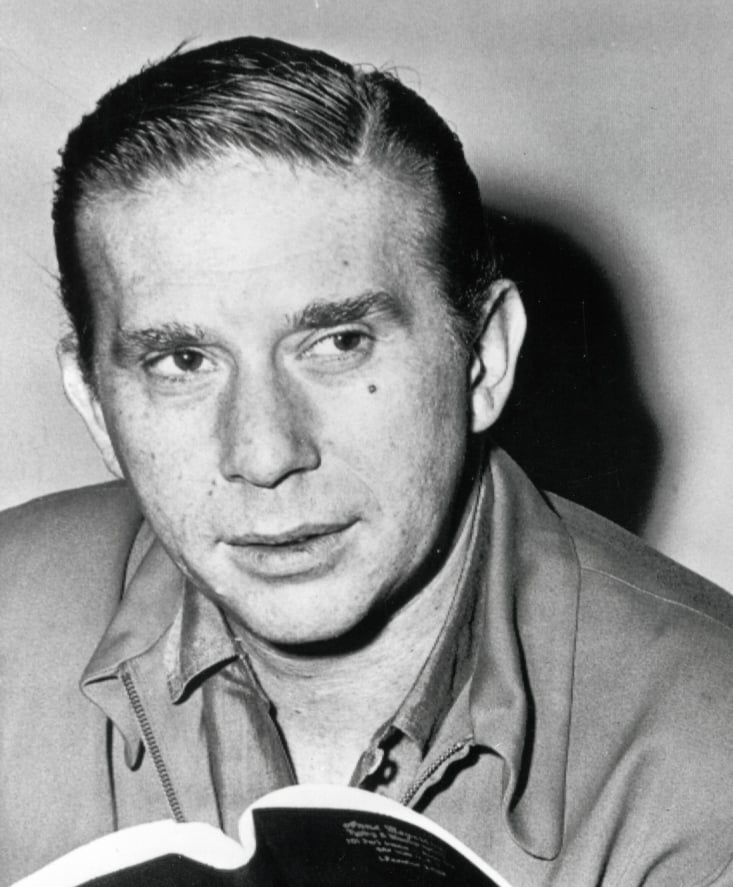
In the history of American music, few figures embody versatility and creativity as much as Bob Merrill. Best remembered as a gifted songwriter, lyricist, and composer, Merrill’s contributions spanned across Broadway musicals, popular songs, and Hollywood soundtracks. His works carried both lighthearted humor and deep emotional resonance, resonating with audiences throughout the mid-20th century. Although his name may not always receive the same immediate recognition as contemporaries like Stephen Sondheim or Cole Porter, Bob Merrill’s legacy continues to shape how music and lyrics tell stories on stage and beyond.
This article explores his life, career, and lasting influence, diving into his creative genius, the challenges he faced, and why his work remains relevant today.
Early Life and Background
Bob Merrill was born Henry Robert Merrill Levan on May 17, 1921, in Atlantic City, New Jersey. From an early age, he displayed an unusual sensitivity to rhythm and language. Though he lacked formal conservatory training, Merrill cultivated his craft by exploring various instruments and developing a strong lyrical instinct. Unlike many of his peers, Merrill did not enter the music industry through elite channels; instead, he carved his path by combining ingenuity with relentless determination.
His unconventional beginnings shaped his artistic voice. Merrill was known for his ability to craft lyrics that blended wit with accessibility, capturing the spirit of post-war America in a way that felt both entertaining and relatable.
Rise to Popular Songwriting
Bob Merrill’s earliest successes came in the realm of popular music during the late 1940s and early 1950s. He wrote novelty hits that quickly captured the public’s imagination. One of his first big breaks was “If I Knew You Were Comin’ I’d’ve Baked a Cake” (1950), a playful tune that reflected his knack for humor and catchy phrasing.
Another signature song from this period was “(How Much Is) That Doggie in the Window?” (1953), performed by Patti Page. While critics at the time sometimes dismissed it as lightweight, the track became an iconic novelty hit that cemented Merrill’s reputation as a commercial hitmaker.
Merrill proved that he was more than a novelty songwriter. His ability to shift between comedic and heartfelt material made him appealing to both mainstream audiences and performers seeking strong lyrical content.
Transition to Broadway
The 1950s and 1960s marked Bob Merrill’s transition into the world of Broadway musicals, where he would leave some of his most enduring contributions. Collaborating with composers and producers, Merrill honed his lyrical talents to fit the narrative and emotional demands of musical theater.
His most celebrated Broadway achievement came in 1964 with “Funny Girl”, a musical starring Barbra Streisand in her breakout role. Merrill co-wrote the score with Jule Styne, contributing lyrics to songs like “People” and “Don’t Rain on My Parade.” These songs not only became Broadway classics but also launched Streisand into superstardom.
The success of Funny Girl underscored Merrill’s ability to combine humor, vulnerability, and emotional depth in his lyrics. Unlike his earlier novelty songs, the Broadway numbers revealed a deeper poetic sensibility, capable of capturing complex human emotions.
Other Broadway projects included Carnival! (1961), which featured the haunting ballad “Love Makes the World Go ’Round.” This song showcased his capacity for simplicity and universality, qualities that made his lyrics memorable across generations.
Work in Film and Television
Bob Merrill’s creativity was not confined to records and Broadway stages. He also contributed songs for Hollywood films and television productions. His work often carried a signature charm, combining narrative drive with melodic accessibility. By bridging the gap between popular music and theatrical storytelling, Merrill demonstrated a versatility that few of his peers matched.
One example was his involvement in musical films where his songs supported character development and plot progression. His work in different media ensured that his music reached wide audiences, from radio listeners to cinema-goers.
Artistic Style and Influence
What made Bob Merrill’s style unique was his blend of playfulness and sincerity. He could write a whimsical tune like “Doggie in the Window” and, at the same time, create deeply emotional ballads for Broadway stages. This duality reflected his understanding of human emotion in all its shades—joy, longing, humor, and heartbreak.
Merrill’s lyrics were known for their clarity. He avoided excessive complexity, instead favoring direct language that resonated with audiences instantly. At the same time, his words carried subtext and subtlety, allowing songs to feel timeless rather than dated.
Influence-wise, Merrill helped expand the scope of what Broadway music could sound like, opening doors for later lyricists who blended pop sensibilities with stage traditions.
Personal Struggles and Challenges
Despite his achievements, Merrill’s life was not without struggles. He often wrestled with self-doubt and the pressure of living up to his successes. The competitive nature of Broadway and the music industry sometimes left him overshadowed by peers, even as his works continued to thrive. Tragically, Merrill’s later years were marked by declining health and depression, culminating in his untimely death in 1998. His passing was a somber reminder of the challenges that even highly successful artists face behind the curtain of fame.
Legacy and Cultural Impact
Bob Merrill’s legacy remains secure through the enduring popularity of his songs. Tracks like “People” and “Don’t Rain on My Parade” continue to be performed by singers worldwide, while Funny Girl is revived regularly on Broadway and in touring productions.
Beyond specific works, Merrill’s influence lies in his ability to bridge different traditions—pop, Broadway, and Hollywood—while maintaining a recognizable voice. His songs continue to inspire younger lyricists and composers who see in his work a model of accessibility paired with artistry.
Bob Merrill may not always be the first name mentioned in conversations about American songwriters, but his contributions are woven deeply into the fabric of 20th-century music and theater. From novelty hits to Broadway classics, Merrill’s lyrics reflect a unique balance of wit, heart, and honesty. His songs remain alive in popular culture, reminding audiences of the power of music to entertain, comfort, and inspire.
As audiences revisit revivals of Funny Girl or hear timeless hits on the radio, they continue to experience the artistry of Bob Merrill—a man whose words and melodies defined a generation and still resonate today.
Credit: Thebobmerrill.com